
Construction Debris Removal for Small Contractors: A Pro Guide
· 6 min read
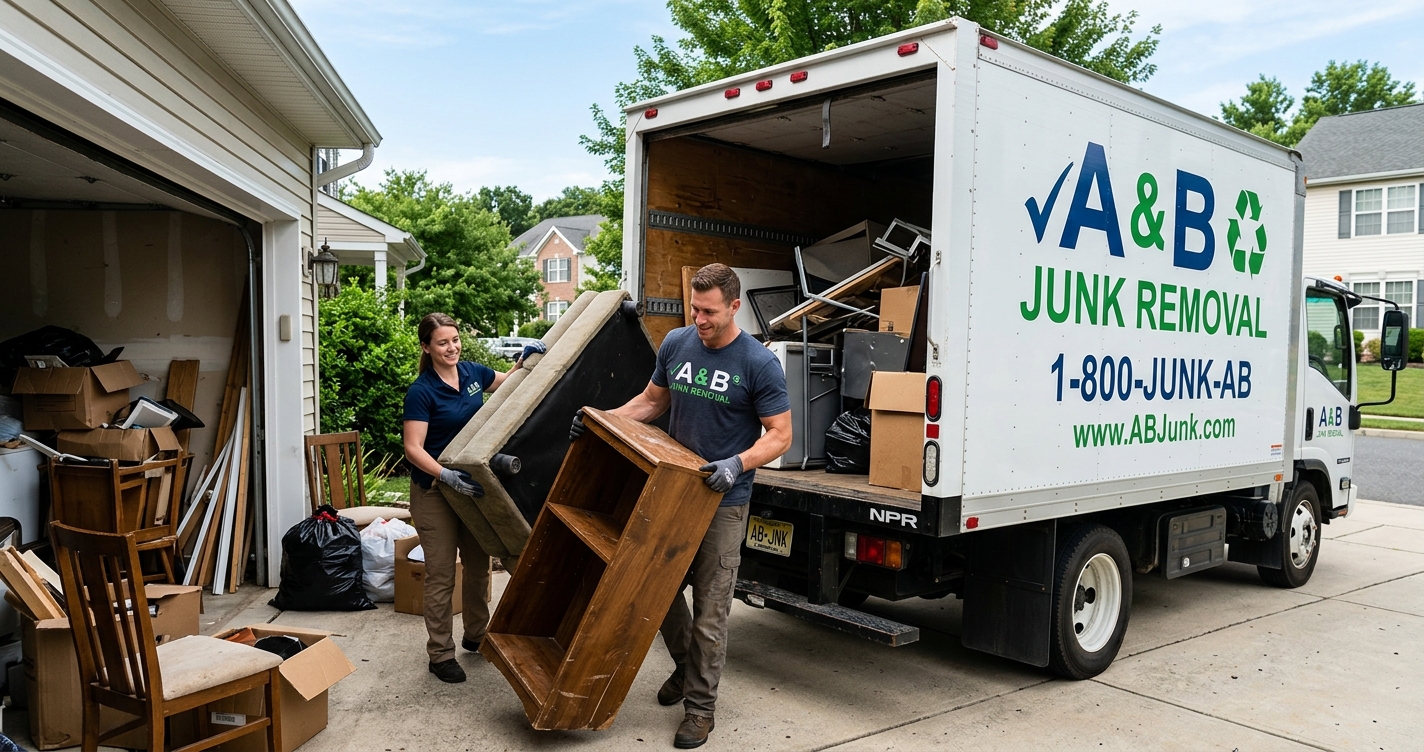
The Strategic Importance of Construction Debris Removal for Small Contractors
For a small contractor, the difference between a profitable project and a break-even one often comes down to logistics. While many focus on the quality of the build or the precision of the installation, site management—specifically construction debris removal for small contractors—is frequently overlooked until it becomes a bottleneck. A cluttered job site isn't just an eyesore; it’s a liability that slows down your crew, increases the risk of OSHA violations, and dampens your professional reputation in the eyes of the homeowner.
At A & B Junk Removal, we’ve seen firsthand how efficient waste management transforms small-scale operations. Whether you are a solo remodeler, a specialized flooring contractor, or a small framing crew, managing your demolition waste and scrap material is a critical component of your operational workflow. In this comprehensive guide, we will explore the strategies, costs, and professional insights necessary to master debris management and boost your bottom line.
The Real Cost of Poor Debris Management
When small contractors attempt to handle all debris removal in-house, they often fall into the trap of "hidden costs." It might seem cheaper to load your own work truck and drive to the local landfill, but let’s break down the actual investment:
- Labor Opportunity Cost: Every hour your skilled lead carpenter spends driving to a dump and waiting in line is an hour they aren't finishing the project.
- Fuel and Maintenance: Heavy construction debris like concrete, shingles, and wet lumber puts extreme wear and tear on non-commercial vehicles.
- Disposal Fees: Landfills charge by weight and material type. Without commercial accounts, small contractors often pay premium residential or standard gate rates.
- Safety Risks: Overloading a truck or improper lifting of heavy demolition materials can lead to injuries that sideline a small team for weeks.
The Productivity Bottleneck
Data from the construction industry suggests that up to 20% of a worker’s time on a cluttered site is spent simply moving materials out of the way to gain access to the work area. For a small contractor, that is 20% of your payroll being wasted on non-value-added movement. Efficient construction debris removal for small contractors eliminates this waste, allowing your team to focus on their craft.
Choosing Your Method: Dumpster Rental vs. Full-Service Junk Removal
One of the most frequent questions we receive at A & B Junk Removal is whether a contractor should rent a dumpster or hire a full-service team. The answer depends on the site constraints and the project timeline.
| Feature | Dumpster Rental | Full-Service Junk Removal |
|---|---|---|
| Labor | Your crew loads the bin. | Our team does all the heavy lifting. |
| Space | Requires a footprint for 7-14 days. | Rapid pick-up; no permanent footprint. |
| Project Type | Best for long-term roofing or gut renos. | Best for quick demo, tight sites, or final cleans. |
| Cost Structure | Flat fee + overage for weight. | Volume-based pricing (pay for what you use). |
When to Choose a Dumpster
Dumpster rentals are the gold standard for projects where debris is generated consistently over several days, such as a full roof replacement or a multi-room flooring tear-out. It provides a central "sink" for all waste, keeping the site tidy throughout the build.
When to Choose Full-Service Removal
Full-service construction debris removal for small contractors is the superior choice for "flash demolition" or sites with zero street parking. If you are working in a dense neighborhood where a dumpster would require a permit or block a neighbor's driveway, a quick-strike junk removal team can arrive, load the debris from the backyard or basement, and vanish in under an hour.
The A & B Junk Removal 5-Step Debris Management Process
To help our local contractor partners stay organized, we recommend following this methodology for every job site:
- The Pre-Demo Audit: Before swinging a sledgehammer, estimate the volume of debris. Categorize it into "Heavy Fill" (concrete/brick), "Standard C&D" (drywall/lumber), and "Recyclables" (metal/cardboard).
- The Staging Zone: Designate a specific 10x10 area for debris. Never let piles grow haphazardly around the perimeter of the house.
- The Material Split: Keep scrap metal and clean cardboard separate. This reduces the weight of your primary debris pile and is better for the environment.
- The Scheduled Pickup: Don't wait until the pile is a mountain. Schedule your construction debris removal for small contractors 48 hours before you reach maximum capacity.
- The Final Sweep: Once the heavy debris is gone, perform a magnetic sweep for nails and a fine-particle vacuum to ensure the client sees a pristine site.
Sustainable Disposal: Why It Matters for Your Brand
Modern homeowners are increasingly environmentally conscious. By partnering with A & B Junk Removal, you can tell your clients that their old cabinets, scrap wood, and metal aren't just heading to a hole in the ground. We prioritize recycling and donation-first policies. This isn't just good for the planet; it’s a powerful marketing tool for your small business. Being the "Green Contractor" who manages waste responsibly sets you apart from the competition who might be dumping illegally or mixing hazardous materials with standard trash.
Handling Common Construction Materials
Different materials require different disposal paths. As an authority in construction debris removal for small contractors, we handle the logistics of:
- Drywall: Needs to be kept dry for certain recycling facilities.
- Concrete and Masonry: Often crushed and repurposed as road base.
- Lumber: Clean wood can be mulched; pressure-treated wood requires specific landfill protocols.
- Appliances and Fixtures: We ensure these reach specialized recycling centers to handle refrigerants and heavy metals.
Case Study: The Efficiency Dividend
Consider a small bathroom remodeling contractor in our service area. Previously, they spent Friday afternoons (4 hours) hauling debris to the landfill. Between fuel, dump fees, and labor for two men, the cost was approximately $450 per week. By switching to a scheduled Friday morning pickup with A & B Junk Removal, they reduced their cost to $300 and reclaimed 8 man-hours of production time. Over a month, that contractor gained an extra 32 hours of billable labor—enough to start and finish an additional small vanity or tiling project.
Legal and Safety Compliance
Local municipalities have strict codes regarding construction waste. Leaving debris on a curb can result in heavy fines for both the contractor and the homeowner. Furthermore, OSHA requires that "form and scrap lumber with protruding nails, and all other debris, shall be kept cleared from work areas, passageways, and stairs, in and around buildings or other structures." Professional construction debris removal for small contractors ensures you stay compliant and avoid the prying eyes of code enforcement officers.
FAQ: Construction Debris Removal for Small Contractors
What qualifies as "construction debris"?
Construction debris includes any materials generated during the construction, renovation, or demolition of structures. This includes lumber, drywall, masonry (bricks/concrete), roofing materials, insulation, siding, and electrical wiring.
Can you remove hazardous materials like asbestos or lead-based paint?
At A & B Junk Removal, we specialize in standard C&D (construction and demolition) waste. Hazardous materials like asbestos, lead-based paint, or volatile chemicals require specialized remediation contractors. Always test older homes before beginning demolition.
How do you charge for construction debris?
We typically charge based on the volume the debris takes up in our trucks. However, extremely heavy items like concrete, dirt, or brick are charged by the "bed-load" (fill height restrictions) due to weight limits on our vehicles. We provide transparent, upfront quotes before any work begins.
Do I need to be present for the pickup?
While it is helpful for you to be there for the first pickup to establish the staging area, many of our regular contractor partners provide us with site access codes or leave the debris in a designated spot so we can handle the removal while they are off-site sourcing materials or at another job.
Partnering with A & B Junk Removal
Your expertise is in building, renovating, and creating. Our expertise is in the logistics of removal. When you outsource your construction debris removal for small contractors to A & B Junk Removal, you aren't just hiring a hauling service—you’re adding a strategic partner to your team. We help you maintain a cleaner job site, satisfy your clients, and maximize your billable hours.
Don't let a pile of scrap wood stand between you and your next project. We offer flexible scheduling, competitive contractor rates, and the professional reliability your business deserves. Ready to clear the way for your next big build?
Contact A & B Junk Removal today at abjunk.com to schedule your site cleanup or dumpster rental. Let's get to work!